
Sign 3 שלט
NOAH’S ARK - תיבת נח

Mesopotamian Iris - איריס ארם נהריים
איריס ארם נהריים (Iris mesopotamica) הוא צמח רב־שנתי מרשים, הידוע בפרחיו הגדולים והאלגנטיים ובעליו דמויי החרב. העלים צומחים במניפות זקופות מקני שורש תת־קרקעיים, צבעם ירוק־כחלחל, והם חלקים ובעלי מראה אדריכלי ברור, היוצר גוש חזק ובולט גם כאשר הצמח אינו בפריחה. באביב מתרוממים עמודי תפרחת עבים מעל העלים, וכל אחד מהם נושא כמה פרחים גדולים מאוד בגוונים רכים של תכלת חיוור, לבנדר או לבן־קרמי, לעיתים עם סימונים כהים יותר ועם “זקן” צהוב או כתום על עלי הכותרת המשתפלים.
בישראל נמצא Iris mesopotamica בעיקר בגידול תרבותי ובסמוך לאתרים היסטוריים, כפרים ישנים וטרסות נטושות, שם הוא ממשיך להתקיים לעיתים זמן רב לאחר שההתיישבות האנושית דעכה. הצמח מעדיף אזורים פתוחים ושטופי שמש עם קרקע מנוקזת היטב, ופורח לרוב בין מרץ לאפריל. בקיץ הוא עמיד מאוד ליובש ושורד מתחת לפני הקרקע עד חזרת הגשמים. בזכות פריחתו המרשימה וקשריו הארוכים לגינות מסורתיות ולנופים תרבותיים, האיריס ארם נהריים מהווה מרכיב בוטני והיסטורי כאחד בנוף הכפרי של ישראל.
Iris mesopotamica, often called the Mesopotamian iris, is a striking perennial plant known for its large, elegant flowers and sword-shaped leaves. The leaves grow in upright fans from underground rhizomes and are blue-green and smooth, forming a strong, architectural clump even when the plant is not in flower. In spring, thick flower stalks rise above the leaves, each carrying several very large blooms in soft shades of pale blue, lavender, or creamy white, often with darker markings and a yellow or orange beard on the falls.
In Israel, Iris mesopotamica is found mainly in cultivation and near historic sites, old villages, and abandoned terraces, where it often persists long after human settlement has declined. It prefers sunny, open areas with well-drained soil and flowers from March to April. The plant is highly drought-tolerant during summer, surviving underground until the rains return. Because of its impressive flowers and long association with traditional gardens and cultural landscapes, the Mesopotamian iris is both a botanical and historical feature of the Israeli countryside.
Sun's Eye Tulip - עריוני צהוב
צבעוני הרים (Tulipa agenensis) הוא צמח בר אביבי מרשים, המתבלט בפרחיו הגדולים ובצורתם הגביעית. הצמח מתפתח מבצל ומצמיח כמה עלים רחבים, מעט גליים, בצבע ירוק־כחלחל, המשתרעים סמוך לפני הקרקע. בראשית האביב מתרומם מן המרכז גבעול יחיד וחזק, הנושא פרח אחד גדול ואדום־עז, שלעיתים מתאפיין במרכז שחור וצהוב. צבעו העז וצורתו הפשוטה הופכים אותו לאחד מצמחי הבר הבולטים והמרשימים ביותר בנוף.
בישראל גדל Tulipa agenensis בשטחים פתוחים, בגבעות עשבוניות ובשדות מעובדים או בור, בעיקר באזור הים־תיכוני ובחלקים מצפון הנגב. הוא פורח לרוב בין פברואר למרץ, בדרך כלל לאחר חורף גשום. עם עליית הטמפרטורות דוהה הפרח במהירות, הצמח מייצר זרעים, והבצל נותר רדום מתחת לקרקע לאורך חודשי הקיץ היבשים. הופעתו הקצרה וצבעו העז הפכו את הצבעוני האדום לסמל חזק של אביב והתחדשות בדמיון הטבעי והתרבותי של ישראל.
Tulipa agenensis, commonly known as the Sun's Eye Tulip, is a striking spring wildflower with bold, cup-shaped blooms. The plant grows from a bulb and produces a few broad, slightly wavy bluish-green leaves that lie close to the ground. In early spring, a single sturdy stem rises from the center, carrying one large, bright red flower, often marked with a black and yellow center. The vivid color and simple form make it one of the most eye-catching wildflowers in the landscape.
In Israel, Tulipa agenensis grows in open fields, grassy hills, and cultivated or fallow land, mainly in the Mediterranean region and parts of the northern Negev. It blooms from February to March, usually after good winter rains. As temperatures rise, the flower quickly fades and the plant sets seed, while the bulb remains underground through the dry summer months. Its brief appearance and intense color have made the red tulip a powerful symbol of spring and renewal in Israel’s natural and cultural imagination.

Yellow Asphodel - עריוני צהוב
אספודל צהוב (Asphodeline lutea) הוא גיאופיט רב־שנתי גבוה, האופייני לנופים ים־תיכוניים פתוחים בישראל. הצמח גדל מקנה שורש קצר ובעל שורשים בשרניים דמויי פקעת, ומפתח שושנת עלים בסיסית של עלים צרים, אפורים־ירקרקים, מחורצים, חלקים וללא שערות, המזכירים במראם עלי דגניים. מסוף החורף ועד תחילת האביב מתרומם עמוד תפרחת חזק וזקוף, המגיע לרוב לגובה של 80–150 ס״מ. התפרחת היא שיבולת צפופה ומוארכת הנושאת פרחים רבים, כוכביים וצהובים־עזים, שכל אחד מהם בעל שישה עלי עטיף ואבקנים כתומים ובולטים הבולטים מעבר לעטיף, ומקנים לצמח מראה זוהר ובולט בשטח.
בישראל נפוץ Asphodeline lutea בעיקר במדרונות סלעיים, ביערות פתוחים ובצומח בתה או גריגה, במיוחד בגליל, בכרמל ובחלקים מהרכס ההררי המרכזי, תוך העדפה לקרקעות גיר ודולומיט מנוקזות היטב. הפריחה מתרחשת לרוב בין מרץ למאי, במקביל לשיא פעילותם של חרקים מאביקים, ובעיקר דבורים. לאחר הפריחה מתפתחים הלקטים כדוריים עד ביצתיים המכילים זרעים שחורים וזוויתיים, ובמקביל העלווה הולכת וקמלה עם התגברות היובש הקיצי. מחזור החיים העונתי והפריחה המרשימה הופכים את A. lutea למרכיב חשוב ומוכר בפלורת האביב של ישראל, הן מבחינה אקולוגית והן מבחינה תרבותית.
Asphodeline lutea, commonly known as yellow asphodel, is a tall, long-lived wildflower that stands out in Israel’s spring landscape. It grows in a clump of narrow, bluish-green leaves that resemble thick grass and emerge from underground storage roots. In early to mid-spring, a strong upright stem rises well above the leaves, often reaching over a meter in height. Along this stem appear many bright yellow, star-shaped flowers, each with orange stamens that give the plant a glowing, candle-like look that is easy to spot from a distance.
In Israel, yellow asphodel grows mainly in open, rocky areas such as hillsides, light woodlands, and natural shrublands, especially in the Galilee, the Carmel, and parts of the central mountains. It prefers sunny places with well-drained soil and blooms from March to May, when insects like bees visit the flowers. As summer approaches and the weather becomes hot and dry, the plant produces seed capsules and then dries back above ground, surviving the summer underground. Its brief but striking appearance makes it a familiar and much-loved sign of spring in the Israeli countryside.
Sticky Jerusalem Sage - שלהבית דביקה
מרווה ירושלמית (Phlomis viscosa) היא צמח רב־שנתי גבוה וחסון, בעל מראה בולט ומרקם עשיר. עליו גדולים, דמויי לב עד סגלגלים, בצבע ירוק עז, ומכוסים שערות דביקות המעניקות לצמח תחושה מעט מבריקה ודביקה למגע. באביב מתרוממים מעל העלים גבעולים זקופים וחזקים, הנושאים טבעות אופייניות של פרחים בצבע צהוב חיוור עד לבן־קרמי, הערוכים זה מעל זה. הפרחים גדולים ובעלי צורה דמוית כיפה, מה שהופך את הצמח לקל לזיהוי בעת פריחתו.
בישראל גדלה המרווה הירושלמית הדביקה באופן טבעי במדרונות סלעיים, בבתות פתוחות ובשולי חורש, במיוחד בהרי יהודה, בגליל ובאזור הכרמל. היא מעדיפה מקומות שטופי שמש וקרקעות מנוקזות היטב, ופורחת בעיקר בין מרץ למאי. דבורים נמשכות במיוחד לפרחיה העשירים בצוף. במהלך הקיץ החם והיבש מתייבש החלק העל־קרקעי של הצמח, והוא שורד מתחת לפני הקרקע עד חזרת הגשמים. ריחה החזק, עליו הדביקים ועמודי הפריחה המרשימים הופכים את המרווה הירושלמית הדביקה לצמח ייחודי ואופייני לנוף האביבי של ישראל.
Sticky Jerusalem sage (Phlomis viscosa) is a tall, robust perennial plant with a bold, textured appearance. It has large, heart-shaped to oval leaves that are bright green and covered with sticky hairs, giving the plant a slightly shiny and tacky feel when touched. In spring, strong upright stems rise above the leaves and carry distinctive rings of pale yellow to creamy-white flowers stacked one above the other. The flowers are hooded in shape and quite large, making the plant easy to recognize when it is in bloom.
In Israel, sticky Jerusalem sage grows naturally on rocky hillsides, open shrublands, and woodland edges, especially in the Judean Hills, Galilee, and Carmel regions. It prefers sunny locations and well-drained soils and flowers mainly from March to May. Bees are strongly attracted to its nectar-rich flowers. During the hot, dry summer, the plant dries back above ground and survives underground until the rains return. Its strong scent, sticky leaves, and impressive flower spikes make sticky Jerusalem sage a distinctive and characteristic plant of Israel’s spring landscape.


Short Yellow Asphodel - עיריוני קצר
אספודל צהוב נמוך (Asphodeline brevicaulis) הוא צמח בר רב־שנתי עדין וחינני, הגדל משורשי אגירה תת־קרקעיים ומופיע בעיקר בנופים טבעיים פתוחים. הוא יוצר גוש נמוך של עלים צרים בצבע ירוק־כחלחל, חלקים ומעט בשרניים. באביב מתרומם מעל העלים עמוד תפרחת דק, הנושא שיבולת רופפת של פרחים כוכביים צהובים ובהירים. בהשוואה למיני אספודל אחרים, זהו צמח נמוך ועדין יותר, המקנה לו נוכחות קלה ואוורירית בשטח.
בישראל גדל Asphodeline brevicaulis במדרונות סלעיים, בשטחי עשב פתוחים ובבתות ים־תיכוניות, בעיקר בצפון הארץ ובמרכזה. הוא מעדיף אזורים שטופי שמש וקרקעות מנוקזות היטב, ופורח לרוב בין מרץ לאפריל. לאחר הפריחה הצמח מייצר זרעים ומתייבש בהדרגה עם התקרבות הקיץ, תוך הישרדות מתחת לפני הקרקע במהלך החודשים החמים והיבשים. יופיו העדין ופריחתו האביבית המוקדמת הופכים אותו לחבר צנוע אך מוערך בפלורת הבר של ישראל.
Short Yellow Asphodel (Asphodeline brevicaulis) is a graceful, perennial wildflower that grows from underground storage roots and appears mainly in open, natural landscapes. It forms a low clump of narrow, bluish-green leaves that are smooth and slightly fleshy. In spring, a slender flowering stem rises above the leaves, carrying a loose spike of bright yellow, star-shaped flowers. Compared to other asphodelines, the plant is shorter and more delicate, giving it a lighter presence in the field.
In Israel, Asphodeline brevicaulis grows in rocky hillsides, open grasslands, and Mediterranean shrublands, particularly in the northern and central regions. It prefers sunny sites with well-drained soils and flowers from March to April. After flowering, the plant sets seed and gradually dries back as summer approaches, surviving the hot, dry months underground. Its subtle beauty and early spring bloom make it a less conspicuous but valued member of Israel’s native wildflower flora.
Crown Anenome - כלנית מצויה
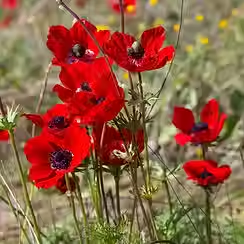
כלנית מצויה (Anemone coronaria) היא אחת מצמחי הבר האהובים והצבעוניים ביותר של האביב בישראל. היא מתפתחת מפקעת תת־קרקעית ומצמיחה שושנת עלים נמוכה, מחולקת דק, בצבע ירוק בהיר. בחורף ובתחילת האביב מתרוממים מעל העלווה פרחים בודדים על גבעולים דקים. הפרחים גדולים ומרשימים, לרוב בצבע אדום עז, אך מופיעים גם בגוונים של סגול, ורוד, כחול ולבן, ובדרך כלל בעלי מרכז שחור ובולט.
בישראל נפוצה הכלנית המצויה בשדות פתוחים, בשטחי עשב, בקרחות יער ולאורך דרכים, בעיקר באזור הים־תיכוני ובצפון הנגב. היא פורחת לרוב בין ינואר למרץ, ולעיתים יוצרת מרבדים מרהיבים של צבע לאחר חורף גשום. הצמח משלים את מחזור חייו במהירות, מפתח זרעים לפני בוא חום הקיץ, ונשאר רדום מתחת לפני הקרקע במהלך העונה היבשה. כפרח הלאומי של ישראל, הכלנית המצויה מהווה סמל רב־עוצמה לחורף, להתחדשות וליופיו הטבעי של הנוף.
Crown anemone (Anemone coronaria) is one of Israel’s most beloved and colorful spring wildflowers. It grows from an underground tuber and produces a low rosette of finely divided, bright green leaves. In winter and early spring, single flowers rise on slender stems above the foliage. The blooms are large and showy, most commonly deep red, but also appearing in shades of purple, pink, blue, and white, usually with a striking black center.
In Israel, crown anemone grows widely in open fields, grasslands, forest clearings, and along roadsides, especially in the Mediterranean region and the northern Negev. It blooms from January to March, often forming dramatic carpets of color after good winter rains. The plant completes its life cycle quickly, setting seed before the onset of summer heat and remaining dormant underground through the dry season. As Israel’s national flower, the crown anemone is a powerful symbol of winter, renewal, and the natural beauty of the landscape.

Yellow Milfoil - אכילאה קטנת-פרחים
אכילאה קטנת-פרחים (Achillea biebersteinii), הידועה גם בשם אלף־העלה הצהוב, היא צמח רב־שנתי חסון בעל מראה רך וכסוף־אפרפר. היא יוצרת גושים נמוכים ומתפשטים של עלים מנוצים ועדינים, דמויי שרך, המכוסים שערות דקות המסייעות לצמח לשמור על לחות. באביב ובתחילת הקיץ מתרוממים מעל העלווה גבעולים דקים וזקופים, הנושאים תפרחות שטוחות של פרחים קטנים ורבים בצבע צהוב בהיר. אשכולות הפריחה יוצרים מראה קליל אך בולט בנופים פתוחים.
בישראל גדלה Achillea biebersteinii בבתי גידול יבשים ופתוחים כגון שטחי עשב, מדרונות סלעיים, שולי דרכים ושולי שדות, בעיקר באזור הים־תיכוני ובהמשך גם לאזורי ספר. היא משגשגת בשמש מלאה ובקרקעות מנוקזות היטב, ועמידה מאוד ליובש. הפריחה מתרחשת לרוב בין מרץ למאי ומושכת מגוון רחב של חרקים. בזכות עמידותה ותקופת הפריחה הארוכה שלה, האכילאה הביברשטיינית היא מין נפוץ וחשוב בצומח הטבעי של ישראל.
Achillea biebersteinii, commonly known as Yellow Milfoil, is a hardy perennial plant with a soft, silvery-grey appearance. It forms low, spreading clumps of finely divided, fern-like leaves that are covered with fine hairs, helping the plant conserve moisture. In spring and early summer, slender upright stems rise above the foliage and carry flat-topped clusters of many small, bright yellow flowers. These flower clusters create a light but noticeable display across open landscapes.
In Israel, Achillea biebersteinii grows in dry, open habitats such as grasslands, rocky slopes, roadsides, and field margins, mainly in the Mediterranean region and extending into steppe areas. It thrives in full sun and well-drained soils and is highly tolerant of drought. Flowering usually occurs from March to May and attracts a wide range of insects. Thanks to its toughness and long flowering period, Achillea biebersteinii is an important and widespread species in Israel’s natural vegetation.